
Home
For contractors
About us
Contact
Request a quote
Roof lanterns
Inspiration
Google-rating: 5.0★★★★★from 2 reviews
A roof lantern rarely changes your energy label much, because the glass area is small compared with the whole house.
A free, no-obligation quote tailored to you in just a few clicks. You finish on the quote page, where everything is already filled in.
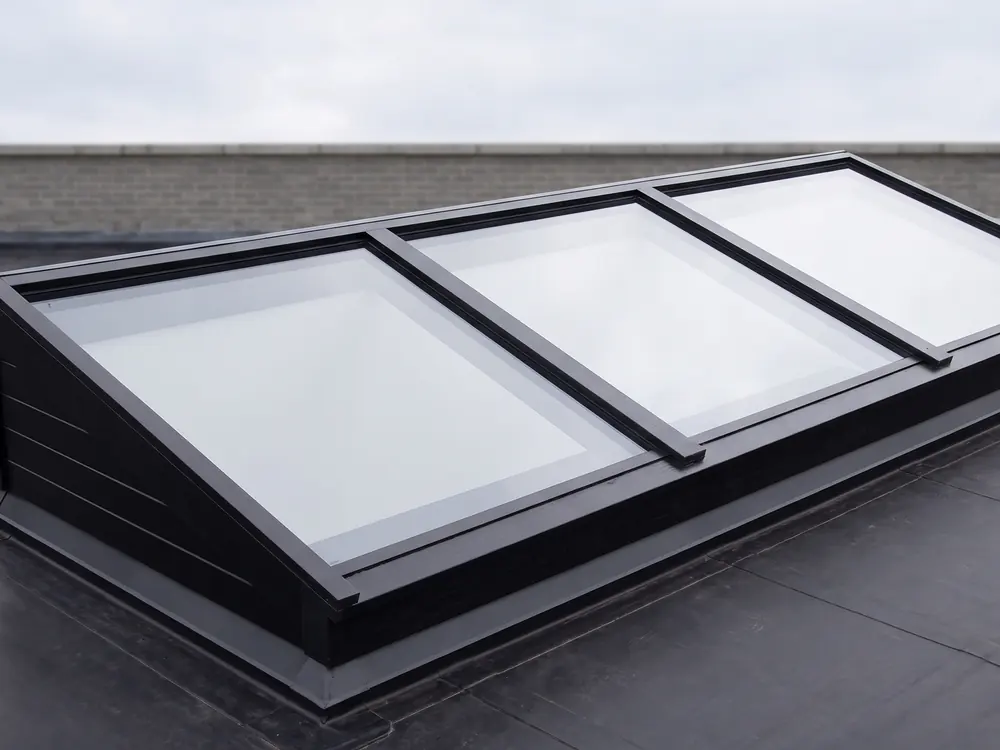
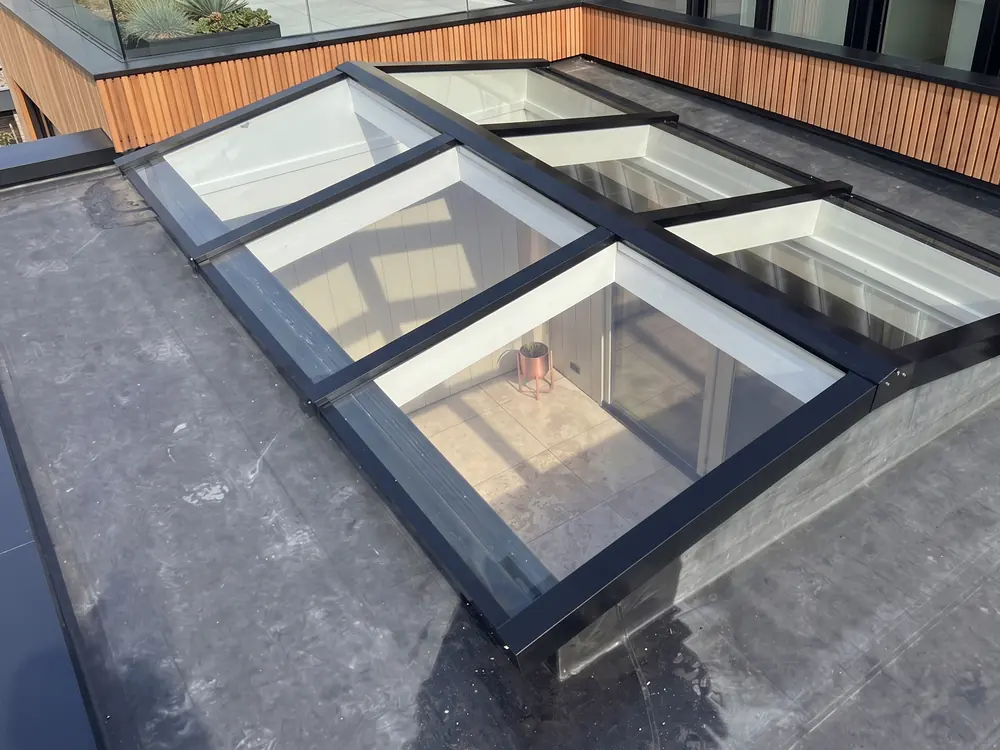 Lean-toGable
A roof lantern rarely changes your energy label much, because the glass area is small compared with the whole house. Glass insulates less well than a well insulated roof, but HR++ double glazing or triple glazing with a thermally broken frame limits the difference. If you replace an old rooflight dome, the effect can even be positive.
Roof lantern and energy label: to see how they relate, start with the label itself. In the Netherlands it is issued by a certified energy assessor. The assessor looks at the whole building envelope, meaning floor, walls, roof and windows, and at installations such as heating, ventilation and solar panels. Since 2021 this is done using the NTA 8800 method. A roof lantern is just one element among many.
For windows and glass, the U-value matters most: how much heat is lost per square metre per degree of temperature difference. The lower, the better. The U-value of glass explained shows how that figure works.
The effect of a roof lantern on your energy label is usually small and depends on what was there before. Put a roof lantern into a well insulated roof and you replace a patch of insulation with glass. A modern insulated flat roof lets through less heat than even triple glazing. Across the whole house, that difference is modest for a few square metres.
Replace an old plastic rooflight dome with a glass roof lantern and it often goes the other way. Old domes insulate poorly; HR++ with a U-value of about 1.1 W/m²K and triple glazing with about 0.5 W/m²K perform much better. See also replacing a rooflight dome with a roof lantern.
Choose glass with a low U-value and a thermally broken frame, so the aluminium does not form a cold bridge. Have the upstand properly insulated; that is where the real leak is in many older roof lanterns. Facing north or west, triple glazing gives relatively the most benefit.
Solar heat counts as well. In winter, glass lets in solar energy, which eases the load on your heating. In summer that same benefit can become too much. Solar control glass or shading prevents you from having to cool; more on that in solar control glass.
There is no need. A Dutch energy label is valid for ten years. If you want an improvement to show, for instance when selling, you can have a new label drawn up. Keep the glass and frame details from the quote so the assessor can use them.
Only if it replaces something worse, such as an old rooflight dome or poor glazing. A new roof lantern in a well insulated roof usually does not raise your label. Comfort and daylight do improve.
For homes, lighting is generally not included in the method, so more daylight does not earn points. Solar heat entering through the glass does count. In practice, more daylight does mean switching the lights on less often.
The type of glass, the U-value, the size and the type of frame. These are listed in the DagLichtDesign quote. To see how much heat you lose through the glass, read heat loss through a roof lantern.
Send a photo or sketch with dimensions. Within 24 hours you receive a quote with glazing options, lead time and price.
Request a quote Get in touchA few questions, a photo or the dimensions, and we will prepare a tailored quote. Prefer to call: +31 342 223 190.
Request a quote More information